Guideline for reading papers.
Reading a paper can be a daunting task, especially if you are new to the field or the paper is particularly technical. Here is a step-by-step guideline that you can follow to read a paper:
- Start with the title and abstract: The title and abstract can give you a quick idea of what the paper is about. They can also help you decide if the paper is relevant to your interests.
- Skim the introduction: The introduction can provide you with the background information on the topic and explain the motivation for the research. Skimming through the introduction can give you a general idea of what the paper is about.
- Read the conclusion: The conclusion can summarize the main findings and the contribution of the paper. Reading the conclusion can give you an overview of the paper’s main arguments and findings.
- Scan the headings and subheadings: The headings and subheadings can help you understand the structure of the paper and the main sections. Scanning them can help you navigate through the paper.
- Read the figures and tables: Figures and tables can provide a visual representation of the data and the findings. Reading the figures and tables can help you understand the main results and the methodology.
- Read the methodology and results sections: The methodology and results sections can provide you with the details of the study design, the data collection, and the analysis. These sections can help you evaluate the quality of the study and the validity of the results.
- Read the discussion: The discussion can interpret the findings, explain the implications, and suggest future research directions. Reading the discussion can help you understand the significance of the paper and the contribution to the field.
- Take notes: Taking notes can help you remember the main points and the key findings of the paper. You can also jot down any questions or comments you may have.
- Reflect and discuss: After reading the paper, take some time to reflect on the main points and the contribution to the field. You can also discuss the paper with your peers or colleagues to get their opinions and feedback.
By following these steps, you can read a paper effectively and efficiently. Remember, reading a paper is a skill that can be developed with practice and patience.

> Written by
Emdadul Islam
Software Engineer. View profile →
Read more
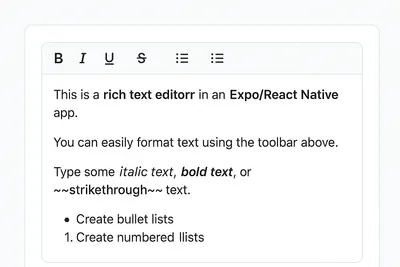
How to Add a Native Rich Text Editor in Expo / React Native (No WebView)
Rich text editing in React Native has always been tricky — especially when you want native performance instead of relying on WebViews. Most available libraries work great for the web, but fall short on mobile. That’s where [expo-rte](https://github.c...

How to Implement Multi-Factor Authentication (MFA) with TOTP in Your Web Application
In today’s digital landscape, securing user accounts with just a password isn’t enough. Multi-Factor Authentication (MFA) adds an essential layer of security by requiring users to provide two or more verification factors. In this comprehensive guide,...
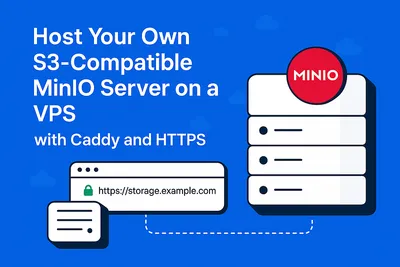
Host Your Own S3-Compatible MinIO Server on a VPS with Caddy and HTTPS
Host Your Own S3-Compatible MinIO Server on a VPS with Caddy and HTTPS Want to self-host object storage like AWS S3 but on your own VPS? Say hello to MinIO — a blazing-fast, S3-compatible storage solution. In this guide, we’ll show you how to install...